Tokyo Day Trips: Where to Go by Train and by Tour
We earn a commission when you book through our links on Viator (PID P00299531), at no extra cost to you. This is how we keep the site free. Learn more →
I Didn't Expect Tokyo to Feel Like This
For a Tokyo day trip, the work starts the night before. Sort out tickets, passes and reserved seats a day ahead, because the stations at dawn are orderly and busy at the same moment. I learned this at Shinjuku, and it sits behind everything on this page, from Nikko's shrines to the Okutama valleys.
I reached Shinjuku before dawn and found the concourse already humming with suitcase wheels and the chime of ticket gates. Painted lines on the platform showed where to queue, and commuters stood in perfect rows beside each door position. My problem came at the ticket office: the pass I needed had to be bought before boarding, and the counter queue swallowed my spare minutes. Nothing about the station was confusing.
The second thing to sort is which station a trip leaves from, because each trip starts from a different terminal. Visit Nikko notes that Tobu Railway from Asakusa takes 2 hours, and Toshogu Shrine was built in 1617. According to the Japan National Tourism Organization, the JR Yokosuka Line takes 55 minutes from Tokyo Station. The same national tourism body lists Hakone as another rail option, and per the Japan National Tourism Organization, the Romancecar from Shinjuku takes 85 minutes. Asakusa, Tokyo Station and Shinjuku are three separate starting points, so check which one is near your hotel before you choose a destination.
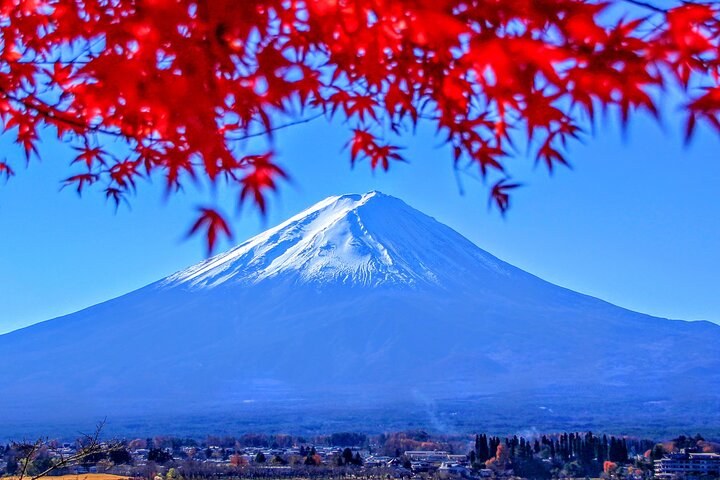
Mount Fuji Full Day Sightseeing Tour from Tokyo: The Tour That Saved My Trip
I call this the tour that saved my trip because it solves the exact problem that cost me my morning at Shinjuku. The listing describes a full day of sightseeing from Tokyo to Mount Fuji and the surrounding area, run as a single outing.
Skip this format if you want to choose your own viewpoints and stay as long as you like. That kind of Fuji day takes more planning, and the comparison on our Hakone vs Mt Fuji page sets out what each approach asks of you.
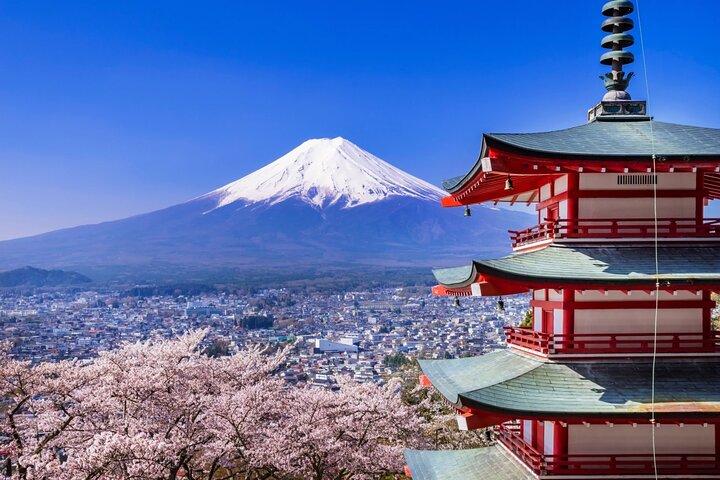
Mount Fuji Full Day Sightseeing Tour from Tokyo
From $54 · Price checked: Sep 2026
Best for: Travellers in Tokyo who want to see Mount Fuji without arranging trains and buses themselves.
Not for: Skip it if you plan to climb Mount Fuji, as this is a sightseeing day rather than a hike.
A full day sightseeing tour from Tokyo to Mount Fuji and its surroundings, organised as a single outing.
Check availabilityExternal booking on Viator · pricing and cancellations handled by Viator
The Moments That Made day trips from Tokyo Worth the Trip
A Tokyo day trip is worth it when you arrive rested enough to take it in, whether that's a shrine gate you can study properly or a mountain view you're awake for. Put the demanding, self-planned day near the end of your stay and use guided days while your body clock catches up. I follow this rule because of one trip in spring 2024.
That trip went in the other direction. I flew in from Tokyo and started in London, where English signage made my foggy first days easier and I dozed through a Tube ride without panic. After three days I took a morning Eurostar and reached Gare du Nord by lunch, rested enough to follow French announcements. A colleague did the reverse and loved ending on Paris dinners, but she had arrived fresh. (That half of the story is covered on my Paris page.)
Nikko rewards a clear head. According to Visit Nikko, Nikko is 125km north of Tokyo. Visit Nikko also states that Nikko's Toshogu Shrine complex contains 55 buildings, and the Yomeimon Gate alone has over 500 carvings of animals, mythical beasts, and Chinese sages.
Mt Fuji and Hakone 1-Day Bus Tour Return by Bullet Train: A Lesser-Known Tour Worth Discovering
This tour goes by bus from Tokyo to both Mt Fuji and Hakone, and you come back to the city by bullet train.
Skip this format if Hakone itself is the point of your day. Hakone has its own rail link from Shinjuku, and on our Hakone vs Mt Fuji comparison I explain why a traveller who likes going at their own pace might pick one area and give it the whole day.
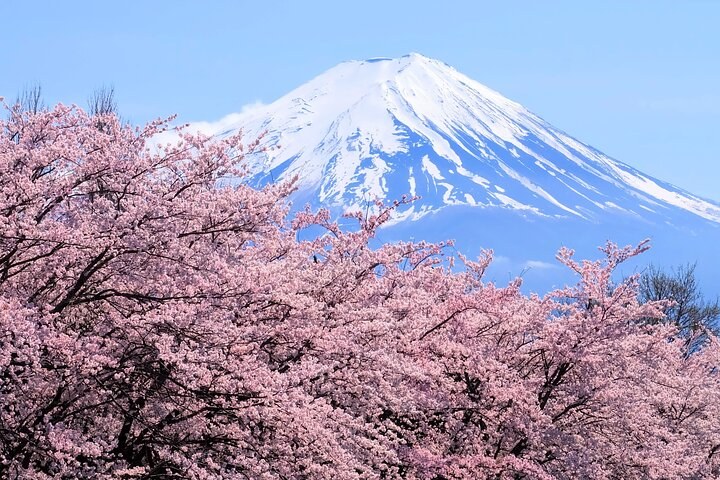
Mt Fuji and Hakone 1-Day Bus Tour Return by Bullet Train
From $159.92 · Price checked: Sep 2026
Best for: Travellers who want to see Mt Fuji and Hakone in one day without driving, with a bullet train ride back to Tokyo.
Not for: Skip it if cloud over Fuji would spoil the day for you, as the mountain views depend on the weather.
A full day bus tour from Tokyo to Mt Fuji and Hakone. The return journey to the city is by bullet train.
Check availabilityExternal booking on Viator · pricing and cancellations handled by Viator
What Surprised Me About Tokyo
What surprised me was the order. At Shinjuku before dawn, painted lines on the platform showed passengers where to stand, and commuters lined up beside each door position.
That order also means your only real enemy is poor preparation. The station won't confuse you if you've bought your ticket, know your terminal and follow the lines on the floor. My missed minutes came from putting off a counter purchase. The trains themselves gave me no trouble.
The second surprise came from reading the listings. Tokyo's day-trip options aren't only shrines and Fuji. The Okutama day trip listing describes the forested mountain area on the far western edge of Tokyo as a change of pace from the city. For seasonal planning in that western area, GO TOKYO is the official visitor source to check before you commit.
Marco Bellini's Insider Tips for Getting It Right
Start with the pass question. In my notes, the JR Pass doesn't cover the Tobu Railway to Nikko, and the separate Nikko Pass sold at Asakusa station is the one to look at. Check the current terms on the Japan National Tourism Organization's transport-pass guidance before you pay for anything.
Kamakura is the easy trip for anyone near Tokyo Station. According to the Japan National Tourism Organization, Kamakura is 50km south of Tokyo. You won't find a guided Kamakura tour among the cards on this page, so treat it as a train trip.
Last, don't stack days. A heavy tour day followed by a dawn departure the next morning is how travellers end up at Toshogu too tired to look up at the Yomeimon Gate. Our which day trip page helps you put your choices in order across a week.
What I Wish I'd Known Before I Went
I wish I'd known that the ticket counter, not the train, was the risk. At Shinjuku, the pass I needed had to be bought before boarding, and the counter queue swallowed my spare minutes. Every mistake below comes back to the same idea: do the errands the day before and leave the morning for travelling.
Here are the planning mistakes to check for before you book anything:
- Buying a rail pass or reserved seat at dawn on the day of travel. Do it the afternoon before, when the counters have time for your questions.
- Assuming one pass covers every line. The JR Pass and the Tobu Railway to Nikko need checking separately.
- Taking a local train to Nikko when the Limited Express runs direct.
- Putting the day that matters most on your first jet-lagged morning. My spring 2024 trip taught me to start where transit feels easiest.
- Booking a two-area tour when you only care about one of the areas. Read the tour title and ask whether you want both stops.
- Standing at the carriage door without joining the painted queue lines, and not letting passengers off first.
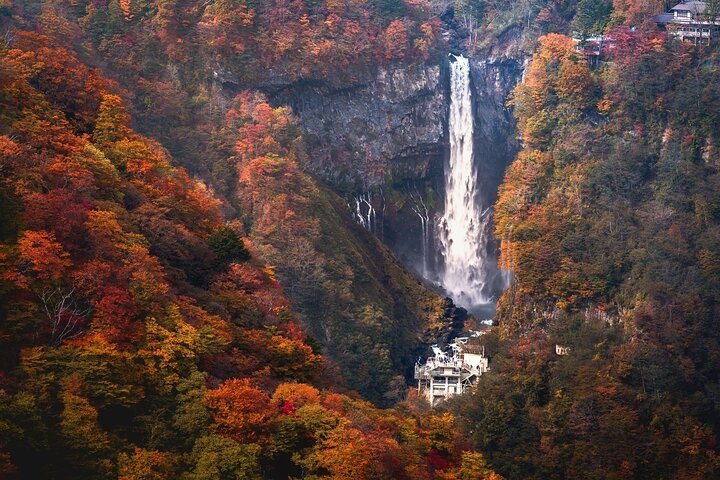
From Tokyo: Guided Day Trip to Nikko World Heritage Sites
From $99.40 · Price checked: Sep 2026
Best for: Travellers based in Tokyo who want to see Nikko's World Heritage shrines and temples with a guide leading the day.
Not for: Skip it if you would rather stay overnight in Nikko and explore at your own pace.
A guided day trip from Tokyo to Nikko, visiting the shrines and temples that make up its World Heritage sites.
Check availabilityExternal booking on Viator · pricing and cancellations handled by Viator
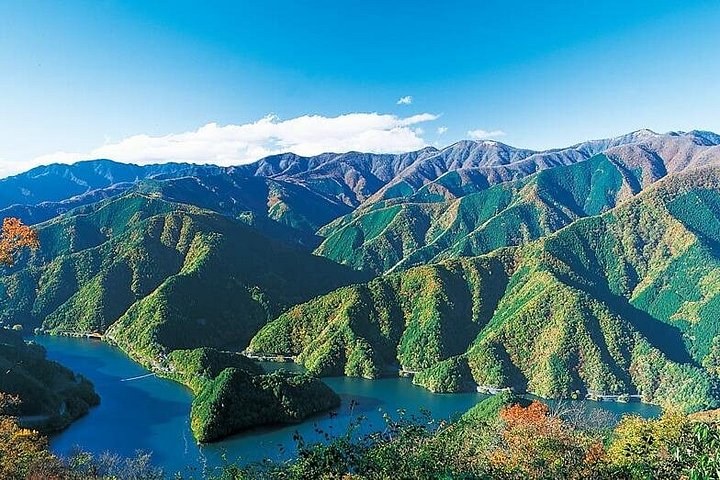
Tokyo Okutama Day Trip Tour
From $135.72 · Price checked: Oct 2026
Best for: Travellers who want a day in Tokyo's western mountains and river valleys instead of another round of city sightseeing.
Not for: Travellers hoping for Mt. Fuji views or famous temples, as Okutama is a quieter, rural corner of Tokyo.
A day trip from central Tokyo to Okutama, the forested mountain area on the far western edge of Tokyo, for a change of pace from the city.
Check availabilityExternal booking on Viator · pricing and cancellations handled by Viator
Explore More
Related comparisons and guides:
Frequently Asked Questions
Which Tokyo station do I leave from for Nikko?
Nikko trains on the Tobu Railway leave from Asakusa, so travellers staying near Asakusa have the shortest trip to the platform. Buy any Nikko-specific pass at Asakusa the day before so you aren't queueing on the morning you travel.
Is a guided tour or a rail pass better for Mount Fuji?
A guided tour suits travellers who want someone else to handle tickets and connections, while a self-planned trip suits people who want to choose their own viewpoints. If jet lag is heavy, go with the tour for your first days.
Can I do Kamakura without a tour?
Yes, Kamakura works as a train trip from Tokyo Station on the JR Yokosuka Line. You won't find a guided Kamakura product on this page, so plan it yourself.
Does the Okutama day trip leave Tokyo?
Okutama is within Tokyo's boundary, on its forested western edge. That makes it a nature day without the feel of a long intercity trip.
What platform etiquette should I know for Tokyo trains?
Stand in the painted queue lines marked beside each door position and let passengers off before you step on. Commuters keep to these lines, and boarding moves faster when visitors do too.
Written from Rome, Italy.