Rome Day Trip Guide: Where Termini Can Take You by Rail
We earn a commission when you book through our links on Viator (PID P00299531), at no extra cost to you. This is how we keep the site free. Learn more →
I Didn't Expect Rome to Feel Like This
Rome works as a day-trip base because its stations do the heavy lifting. Termini handles the big arrivals and departures, Tiburtina serves the regional line toward Tivoli, and small-group formats cover places the rails reach awkwardly, such as Pompeii paired with the Amalfi Coast. Plan around the station first and the sights second.
I say that as someone who learned the station part the hard way. One late summer night, the lesson arrived with a side of diesel. I stepped off a late train into Termini and met a wall of people fighting for buses outside, diesel fumes hanging over the piazza. I retreated to a platform kiosk for a slice of potato pizza, still warm and salty. My mistake was lingering: the last metro left while I chewed, and I ended up on a sweaty night bus instead.
That slice was good. The night bus was not. The fix costs nothing: check the last metro time before your train pulls in, and if you need it, head straight down the stairs. Buy the snack once your ride home is secured. Turismo Roma keeps its regional transport guidance and attraction information on the official Turismo Roma site, and I would read it before planning any late return into Termini.
Leave the rail-base approach alone if you want one coach to collect you at your hotel door and return you there without a single platform decision. That traveller should book an organised format and stop reading timetables, which brings me to the tour I point people toward for the south.
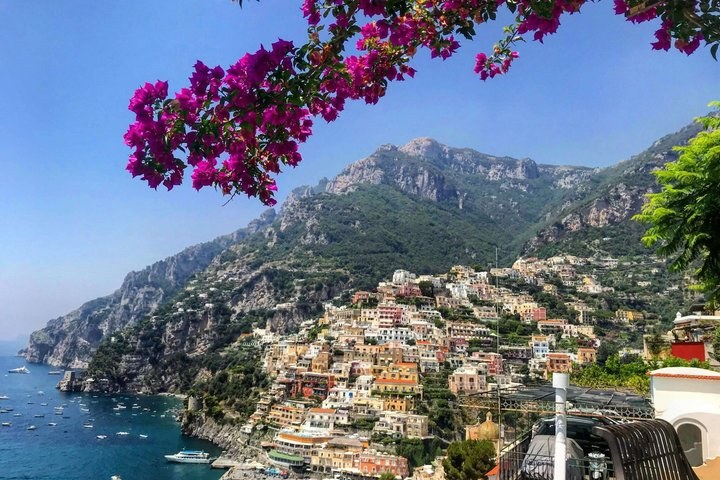
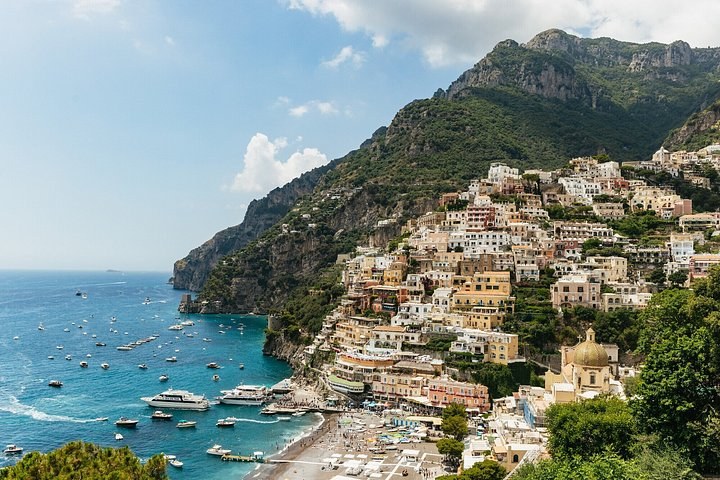
Pompeii, Amalfi Coast and Positano Day Trip from Rome
Pompeii and the Amalfi Coast sit far enough south that stitching them together yourself turns into a chain of connections, each with its own ticket and its own chance to go wrong. This small-group day trip pairs the ruins of Pompeii with the coastal scenery of the Amalfi Coast in a single day out of Rome, with the logistics handled for you.
Pick this one if you have a single free day, you are based in Rome, and seeing both places matters more to you than depth. Avoid it if Pompeii is the reason you came to Italy. Anyone who wants hours inside the excavations should read my Pompeii planning page and give the ruins a day of their own.
Pompeii, Amalfi Coast and Positano Day Trip from Rome
From $136.47 · Price checked: Oct 2026
Best for: Travellers based in Rome who want to see Pompeii, the Amalfi Coast and Positano in a single day with a guide and coach transport handled for them.
Not for: Skip it if you prefer to explore independently at your own pace rather than travel by coach as part of a small group.
A small-group day trip from Rome to Pompeii, the Amalfi Coast and Positano, all UNESCO World Heritage sites, travelling by air-conditioned coach with a tour guide.
Check availabilityExternal booking on Viator · pricing and cancellations handled by Viator
The Moments That Made rail day trips in Rome Worth the Trip
Tivoli is the day out I defend hardest, because it delivers ancient ruins and Renaissance gardens together without the long drives of the southern trips. Hadrian's Villa and Villa d'Este both sit there, so one outing covers imperial Rome and the fountain gardens of a later age. For a first rail day trip, start here.
The station side needs a warning. A composite tip in our knowledge base (source: composite) puts it plainly: the Tivoli train platform at Tiburtina is poorly signed, so follow signs for "Regionale" not "Frecce", because Tivoli is a regional train. Before you leave, check the regional services on Trenitalia's official site so you are not guessing at the ticket counter.
A shorter ancient outing exists too. I keep separate notes on Ostia Antica for anyone who wants an old port town and a quieter half-day of ruins close to the city.
Tivoli Full Day Trip from Rome: Hadrian's Villa and Villa D'Este: A Lesser-Known Tour Worth Discovering
This full day trip from Rome covers Hadrian's Villa and Villa d'Este, two UNESCO-listed sites with Roman ruins at one and Renaissance fountains at the other. The appeal is simple: both halves of Tivoli in one organised day, with no Tiburtina signage puzzles and no transfer between the sites to sort out yourself.
This tour is not for the independent rail traveller who enjoys the regional train and wants to set their own pace among the fountains. That person should go solo and use my Tivoli rail guide. Choose the organised day if you would rather hand the logistics to someone else and spend your energy on the sites.

Tivoli Full Day Trip from Rome: Hadrian's Villa and Villa D'Este
From $98.99 · Price checked: Sep 2026
Best for: Travellers who want ancient ruins and Renaissance gardens in one day out of Rome, without the long drives of further trips.
Not for: Skip it if you like to travel on your own, as the train to Tivoli makes this day easy to organise without a tour.
A full day trip from Rome to Tivoli covering Hadrian's Villa and Villa d'Este. They are two UNESCO sites, one with Roman ruins and the other with Renaissance fountains.
Check availabilityExternal booking on Viator · pricing and cancellations handled by Viator
What Surprised Me About Rome
A standard entry and an underground entry are different visits to the same building. Timed booking also decides how your morning goes at the Vatican.
The numbers explain why the pressure exists. The Colosseum receives 7 million visitors annually. Book skip-the-line tickets 30 days in advance for morning entry slots.
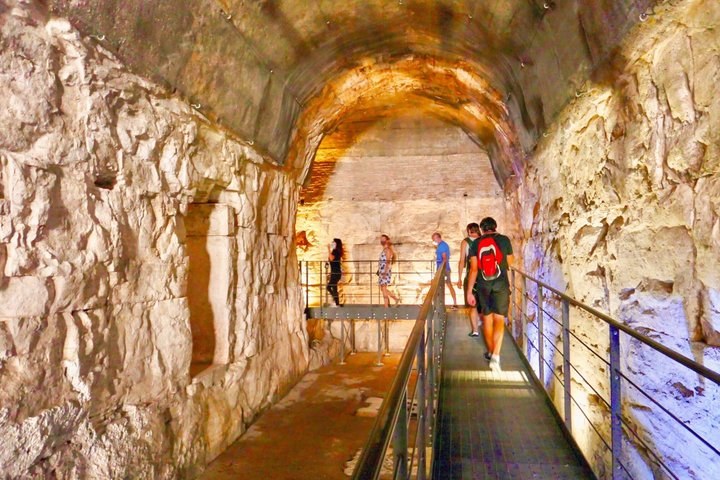
The underground changed how I understood the building. In early spring I joined the underground tour and descended into the hypogeum, where the air turned cool and smelled of damp brick and old dust. My guide pointed up at the rebuilt arena floor, and I finally saw the gladiator gate from the level where animals once paced. I learned then that the standard ticket never gets you down there; only the full experience tier with an underground slot does.
So book the underground tier well ahead, because those slots vanish quickly, and confirm that your ticket names the hypogeum explicitly before you hand over a card number. My Colosseum underground page walks through what to look for on the booking screen.
The queue lesson came the previous autumn. I tested the Colosseum at opening one morning and the Vatican Museums the next. At the Colosseum, timed entry moved briskly through the security arches, while outside the Vatican walls an unticketed line snaked along the pavement, smelling of sunscreen and espresso. Booking the Vatican online with an early slot was the choice that spared me that line.
The Colosseum and Forum visit below lets you choose whether to add the arena floor or the underground chambers. Pass on the upgrade if you are short on time or only care about the Forum; the base visit covers both sites without the extra level.
Colosseum & Forum with Optional Arena or Underground Access
From $115.30 · Price checked: Sep 2026
Best for: Travellers who want the Colosseum and Forum together, with the choice to upgrade to the arena or underground levels.
Not for: Travellers with limited mobility, as the Forum means walking outdoors over uneven ancient paving.
A visit to the Colosseum and the Roman Forum, with the option to add access to the arena floor or the underground chambers beneath it.
Check availabilityExternal booking on Viator · pricing and cancellations handled by Viator
Marco Bellini's Insider Tips for Getting It Right
On stations, the composite Tiburtina tip above applies to Tivoli specifically: "Regionale", not "Frecce". For any route out of Termini or Tiburtina, pull up the timetable on Trenitalia's site the evening before, and again on the morning itself if your plans hinge on a single connection.
For money questions beyond tickets, my Rome costs page collects the budgeting side, and my Rome seasons page covers timing across the year.
On the days you stay in the city, walk. In Rome I heard tram bells mostly around Trastevere, and the hills felt like gentle rises between ruins.
What I Wish I'd Known Before I Went
The mistakes that cost me were small decisions made at the wrong moment: lingering at Termini, trusting a ticket without reading its tier, and treating queues as a problem to solve on the day. All of them are easy to avoid if you check before booking.
What to Check Before Booking
Your last ride home. The Termini night taught me to look up the last metro before arrival, not while eating pizza on the platform.
The ticket tier, by name. If the underground matters to you, the word hypogeum should appear on the ticket. If it does not appear, you have bought a different visit.
Timed entry at the Vatican. The unticketed line outside the Vatican walls is the one to avoid. Book a timed slot online, and pick an early one.
One major site per morning. Keep the Colosseum and the Vatican on separate days.
How much a one-day combo can hold. A Pompeii and Amalfi Coast day gives you both places at speed. Accept that trade before you book, or split them.
Which train board to follow. For Tivoli, follow "Regionale" at Tiburtina, per the composite tip. For everything else, confirm on Trenitalia's site.
Explore More
Related comparisons and guides:
Frequently Asked Questions
Which Rome station do I need for a Tivoli day trip?
Tivoli trains leave from Tiburtina, and a composite tip from our knowledge base advises following the "Regionale" signs there. Confirm the day's departures on Trenitalia's official site before you set out.
Does a standard Colosseum ticket include the underground?
No, a standard ticket does not take you into the hypogeum. You need a tier that names the underground slot explicitly, so read the ticket wording before paying.
Can I visit the Colosseum and the Vatican Museums on the same day?
You can, but splitting them across separate mornings lets you use an early timed slot at each site. Pairing them in one day means one of the two gets your tired afternoon self.
Is a Pompeii and Amalfi Coast day trip from Rome too rushed?
It suits travellers with one free day who want to see both places, shared with a small group. If Pompeii is your priority, give it a day on its own.
Where can I find official transport information for Rome?
Turismo Roma publishes regional transport guidance and attraction information on its official site. For train fares and timetables, Trenitalia is the source to check.
Written from Rome, Italy.