Paris and London Trip Planning: Day Trips Worth the Train Time

We earn a commission when you book through our links on Viator (PID P00299531), at no extra cost to you. This is how we keep the site free. Learn more →
Two cities, one tunnel, and never enough days. Paris and London trip planning goes wrong when the day trips get squeezed in after the hotels are already booked. Pick the day trips that earn their train time first, then fit the two cities around them.
I Did Both Paris and London. Here's What Nobody Tells You
Decide the order of the two cities before you book a single tour, because that order decides how you turn up for your day trips: rested or foggy, carrying a suitcase or free of one. Let jet lag and luggage decide which city comes first.
Jet lag made the call for me the first time. I flew in from Tokyo and started in London, where English signage made my foggy first days easier and I dozed through a Tube ride without panic. After three days I took a morning Eurostar and reached Gare du Nord by lunch, rested enough to follow French announcements.
Luggage made the call the second time, in early summer 2025. I booked the Eurostar early, when fares were lower, and learned at Gare du Nord that check in closes well before departure. My heavy suitcase decided the order: I wanted to finish in London, with my hotel near St Pancras, rather than drag it up Paris metro stairs twice. Eurostar publishes its fares, boarding rules and station guidance on its own site.
The first city is for recovering and the last city is for enjoying. Choose the Paris-first order if you land fresh and want your final nights at French dinner tables. For a straight city-against-city comparison of sights and costs, see my Paris vs London comparison.
Versailles Palace and Gardens Tour from Paris: The Experience
Versailles is the Paris day trip I would plan first. It sits close enough to fit around a city stay, and it is a place where a guide earns the fee. The Palace and Park of Versailles appears on the UNESCO World Heritage List. The palace has 2,300 rooms. That figure is the whole argument for a guide.
The Versailles Palace and Gardens Tour from Paris is a guided visit to the palace and its gardens. Its timed entry lets the group skip the queue and head straight for the Hall of Mirrors. It suits first-time visitors who want the Bourbon monarchy explained as they walk.
Do not go on a Monday, because the palace interior is closed that day. If you go independently on the RER C, watch the platform display. The line splits, and only carriages labelled VICK continue to Versailles Rive Gauche. SNCF can also close sections of the RER C at weekends for engineering work and swap in shuttle buses, so check your weekend date before you commit to it.
Skip the guided format if you would sooner wander the gardens alone and at your own pace. If you are weighing it against the Normandy option, my Versailles vs Mont Saint-Michel comparison sets the two side by side.
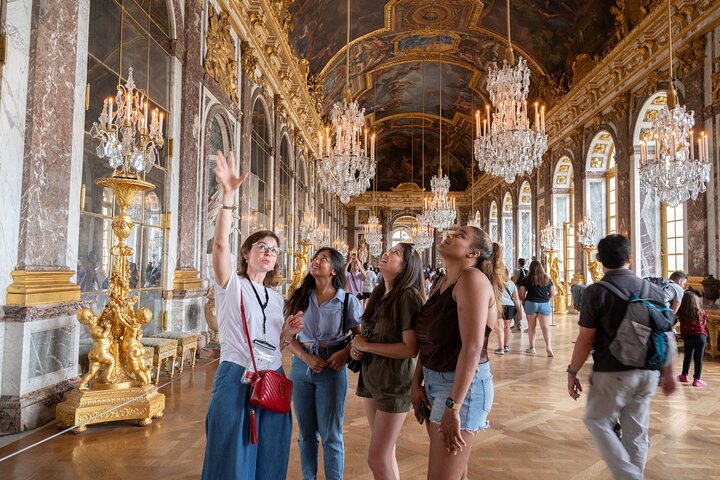
Versailles Palace and Gardens Tour from Paris
From $74.54 · Price checked: Sep 2026
Best for: First time visitors who want timed entry to the Hall of Mirrors and a guide to explain the Bourbon monarchy.
Not for: Skip it if you would rather roam the palace gardens alone at your own pace for the whole day.
A guided tour of the Palace of Versailles and its gardens from Paris, with timed entry that lets the group skip the queue and head into the Hall of Mirrors.
Check availabilityExternal booking on Viator · pricing and cancellations handled by Viator
Why Paris Nearly Won Me Over
Paris came close to being the city I built the whole trip around. The reason was one quiet morning in October 2019. I climbed the steps early on a Tuesday and found them empty. The artists were setting up their easels, not selling anything. The basilica doors had opened, and the view from the dome was mine alone for a quarter of an hour.
That morning gave me the rule I apply to every Paris day: the early start is the entire strategy.
So why did Paris only nearly win? Its two day trips worth the train time pull in opposite directions. Versailles fits around city time. Mont Saint-Michel takes the whole day. My Paris day trip guides cover the rest of the options from the city.
Mont Saint-Michel Small-Group Trip with Cider Tasting from Paris: The Experience
The Mont Saint-Michel Small-Group Trip with Cider Tasting from Paris is a small-group full day to the island abbey off the Normandy coast, with a cider tasting included. Mont-Saint-Michel and its Bay is inscribed on the UNESCO World Heritage List.
Combination day trips from London pair Stonehenge with Bath or Windsor Castle. Each city, then, offers one big coach day that takes everything you have.
Skip Mont Saint-Michel if Paris gets only a couple of days in your plan, or if long hours on a coach leave you sore and short-tempered.

Mont Saint-Michel Small-Group Trip with Cider Tasting from Paris
From $256.22 · Price checked: Sep 2026
Best for: Travellers who want to see Mont Saint Michel from Paris in a small group, with a taste of Normandy cider.
Not for: Skip it if a long day of travel centred on one main site does not appeal.
A small group full day trip from Paris to Mont Saint Michel, the island abbey off the Normandy coast, with a cider tasting included.
Check availabilityExternal booking on Viator · pricing and cancellations handled by Viator
The Moment I Made My Decision
For a trip shaped like mine, give Paris the Versailles morning and give London the long combination tour, scheduled late in the London stay once jet lag has cleared. That split gives each city one day out, keeps the rest for walking, and puts the long coach day where the rail logistics and language demand the least attention.
Part of my reasoning is that London's railways suit a planner who likes a predictable morning. On one regular train out of London Victoria, which I have taken fourteen times, the rhythm never changes. I know the cafe does not open until we pull through East Croydon, roughly twelve minutes in, so I keep my coins in my coat pocket until then. At Victoria, wait near WH Smith, because the platforms you need are on that side.
The one thing London will not forgive is a missing Stonehenge booking. Stonehenge, like the City of Bath, appears on the UNESCO World Heritage List.
The Small Group Stonehenge, Bath and Secret Place Tour from London takes a small group to Stonehenge and the Georgian city of Bath, plus an extra stop that is not named in advance. Book it if a surprise appeals to you. Skip it if you need to know every stop before you hand over your money.
The Windsor Castle, Stonehenge and Oxford Day Guided Tour from London fits a castle, a prehistoric site and the university city of Oxford into one guided day. For a first visit to England, that works as a sampler. Three stops in one day means less time at each, and I would pick this tour only if the sampler is the point for you. If Oxford is the stop you care about, read my Oxford university-city comparison and think about going on your own by train. My London day trip guides cover the shorter options.
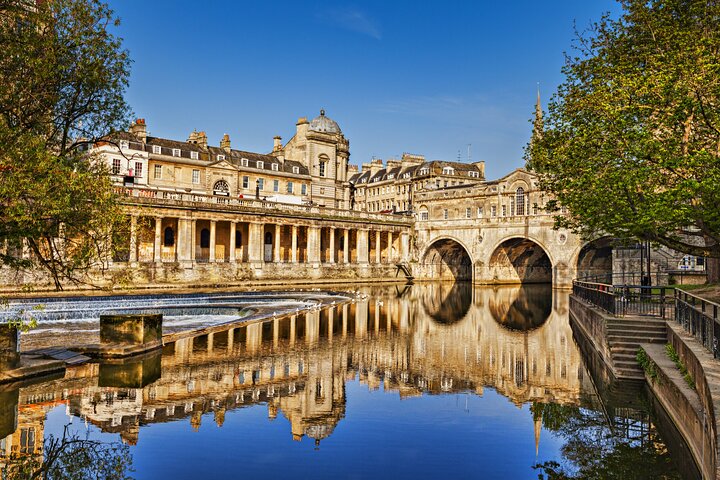
Small Group Stonehenge, Bath and Secret Place Tour from London
From $209.27 · Price checked: Sep 2026
Best for: Travellers who want Stonehenge and Bath in a day from London and like the idea of a surprise stop.
Not for: Skip it if you need to know every stop in advance or want a long, slow visit to Bath.
A small group full day tour from London to Stonehenge and the Georgian city of Bath, with an extra stop at a secret place that is not named in advance.
Check availabilityExternal booking on Viator · pricing and cancellations handled by Viator
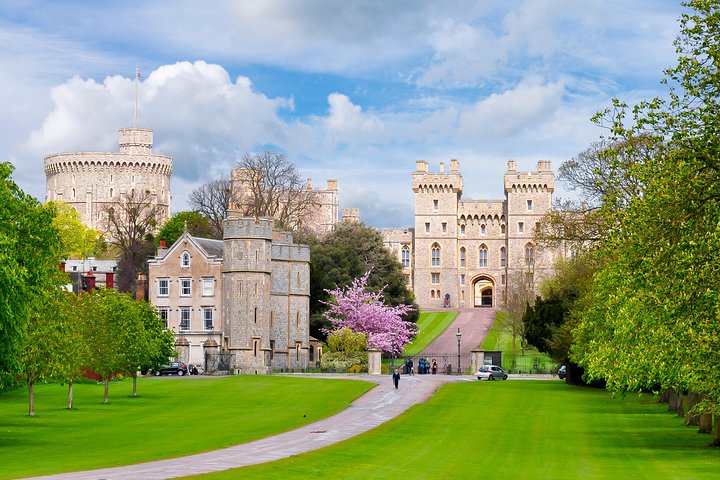
Windsor Castle, Stonehenge and Oxford Day Guided Tour from London
From $96.62 · Price checked: Sep 2026
Best for: First time visitors to England who want a castle, a prehistoric site and Oxford in a single guided day.
Not for: Skip it if you like to linger in one place, as three stops in one day leave limited time at each.
A guided full day from London covering three stops, Windsor Castle, Stonehenge and the university city of Oxford.
Check availabilityExternal booking on Viator · pricing and cancellations handled by Viator
What I Wish I'd Known Before I Went
Book the Eurostar as soon as your dates are fixed, get to the station with time to spare, and carry one transit card per city. After that, book the timed entries for Versailles and Stonehenge before anything flexible.
On the Eurostar, leave the hotel as though the departure were earlier than the time printed on your ticket. Check the current boarding guidance on the Eurostar site the day before, because the station rules on that site are the ones that apply to you.
On transit cards, I carried a contactless card for London and a Navigo Easy for Paris, kept in separate pockets.
On dates, put Versailles on any weekday except Monday and check SNCF engineering works if a weekend is your only option.
Explore More
Related comparisons and guides:
Frequently Asked Questions
Can I visit Versailles on a Monday if the gardens are all I want?
Yes. The gardens stay open on Mondays while the palace interior is closed, so a Monday visit only works if you have no interest in the rooms or the Hall of Mirrors.
Which London stations serve Oxford trains?
Oxford services leave from Paddington and Marylebone. Do not head to Liverpool Street, because it does not serve Oxford.
Do the London combination tours include Stonehenge entry?
Inclusions vary by tour, so read the inclusions on each product card before you book. If entry is not listed, buy your own timed ticket as early as your dates allow.
Should I do Mont Saint-Michel and a London combination tour on the same trip?
You can if your stay is long enough to lose two full city days. On a short trip, choose the one that matches your main reason for travelling and skip the other.
Is a separate skip-the-line ticket worth buying for Versailles?
It is only worth it when it adds a guide or transport. A ticket that resells the palace's own timed entry at a markup gives you nothing the official ticket does not.
Written from Rome, Italy.